Featured
Table of Contents
While injury leaves a long-term influence, it can also lead to post-traumatic growth. Post-traumatic growth refers to the favorable changes and individual development that can happen after experiencing a distressing occasion.
Lots of customers that see me almost stagger when I discuss I believe they have experienced injury. When customers hear me identify some of their most disturbing and undesirable experiences as trauma they look puzzled.
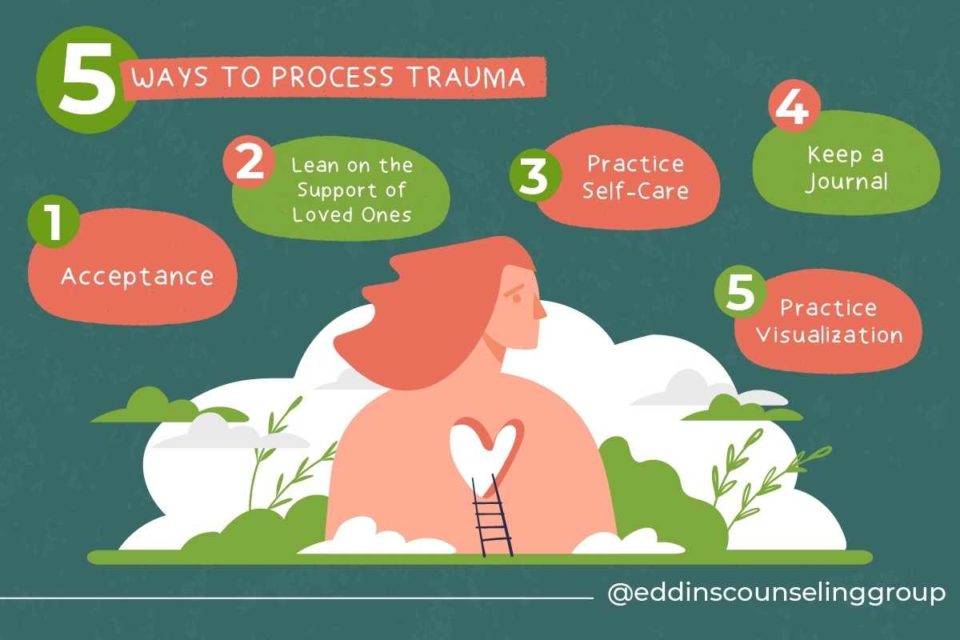
Trauma job takes time. We have to take child steps and permit ourselves to regret the injury. Injury work consists of a "mix" of therapy, cognitive restructuring (i.e., learning different means to see something), behavior modification, leisure or meditation (i.e., finding out just how to calm and loosen up the body), and occasionally medicine (i.e., something to allow clients to be calm and focused sufficient to find out abilities in treatment and control signs).
Resolving Bereavement using EMDR
One of the many "tools" I have pertained to value when collaborating with injury targets who really feel stuck is. When I identify that my customer is refrained from doing checking out atopic reviewed in therapy, remains emotional about something, or is struggling in some other way, I assign therapeutic homework. Therapeutic homework is supplemental between sessions.
These barriers extend the process of post-traumatic development. I have consisted of a few of these obstacles below with suggestions on just how to carry on and expand from the experience. Signs that an individual has actually not recovered from their trauma consists of but is not limited to: Somebody who has experienced injury very first hand will most likely fight with re-visiting the event( s) in therapy.
Post Traumatic Stress And Anxiety Condition (PTSD) is a diagnosis usually provided to victims of trauma who battle with flashbacks, evening fears, or other invasive symptoms such as intrusive ruminating thoughts. Invasive symptoms are "intrusive" since they take place at a time when the individual least anticipates it. PTSD signs and symptoms or other negative reactions to the trauma can likewise take place after the therapy session.
You also want to set treatment with effective coping skills. If you do not have the ability to deal with the feelings and thoughts that may be set off by "re-living" the experience in treatment, you must not venture down that roadway. You need a great foundation of count on with your specialist, spiritual support perhaps through prayer/faith, and excellent coping skills.: Adjustment is scary for the majority of us.
Bilateral Movements during EMDR Therapy
Without change we sink into our patterns and become comfortable. For individuals who struggle with an injury history, modification can be 10 times harder. Why? Since injury can affect an individual's capacity to trust and experience life in favorable methods. When someone doubts concerning other individuals, events in life, or their own decisions they don't wish to alter.
: I encourage my clients, numerous who fight with modification, to write a listing of circumstances in which they adjusted quite possibly to change. I after that trigger my customer to determine the pros and cons of that adjustment in order to highlight the advantages of the adjustment vs. adverse repercussions.

I encourage you to speak to a therapist concerning a pattern of habits in which it appears you look for out psychological assistance and love from those who can not give it to you. The best goal should be to minimize the need to look for psychological support in the incorrect areas and change that desire with a healthy and balanced desire.
A Clinical Foundation Supporting EMDR Treatment & Accelerated Resolution Therapy
Why this occurs to individuals that have trauma backgrounds is made complex. However solid research study feeds on the truth that trauma can make some people much more at risk to negative social relationships since they are "conditioned" to choose connections similar to connections they have had in the past. Familiarity is safer.
Exploring why you are drawn in to hazardous individuals should happen in treatment. Look for resemblances or patterns of actions that you want to change.
Understanding the Purpose of Memory in EMDR & ART

We have an all-natural wish to be loved. If the individual is looking for love, acceptance, and concern from associates, managers/supervisors, complete strangers in society, or any individual the person comes across in everyday life, these are the wrong people to be vulnerable with.
Something called a does this for both the therapist and customer. You may benefit from asking your therapist to provide you a bi-weekly or monthly record on how you have expanded or just how you have actually struggled. You can also ask your specialist if you can attend treatment less frequently to see if that might re-charge your power for therapy.

Latest Posts
What to Expect in Psychoanalytic Work in Chicago
Why Start With Expert Trauma Therapists in Evidence-Based Therapy for Your Growth
Play Work in Eating Disorder